Traditional SEO vs AI SEO, What Changed in 2026?
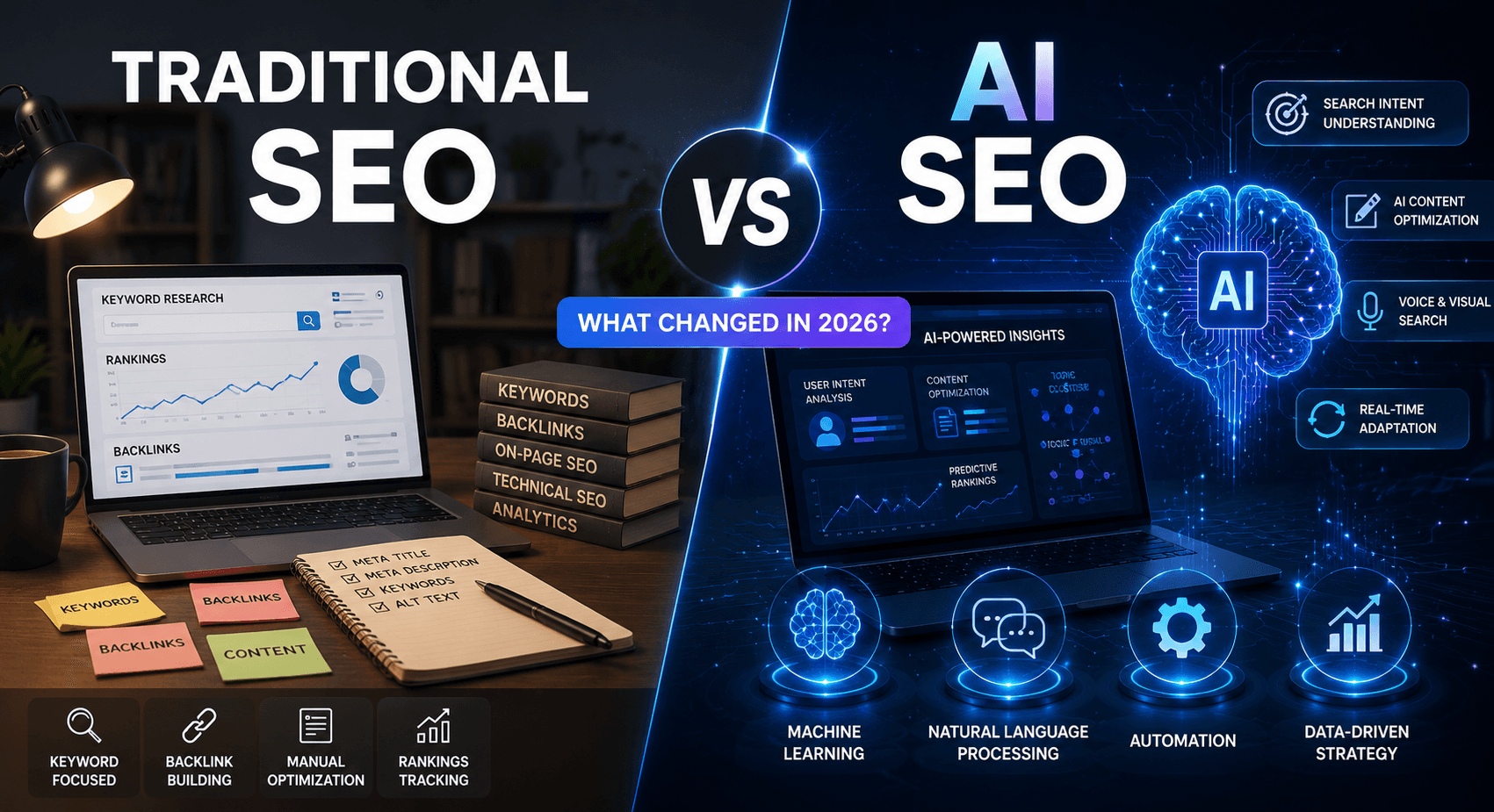
I want to be honest about something before we go further. I have been doing SEO and digital strategy for a long time. I have watched Google's algorithm evolve through Panda, Penguin, Hummingbird, RankBrain, BERT, and the Helpful Content System. Each update changed the game somewhat. But what happened between 2024 and 2026 is not an update. It is a structural rebuild of how search works — and it requires a correspondingly structural change in how businesses approach visibility.
The businesses asking "how do we rank for this keyword?" are asking the right question for the wrong era. The businesses winning in 2026 are asking "how do we become the authoritative source that AI search systems cite when someone asks a question we are uniquely qualified to answer?" That is a different question. It leads to a different strategy. And it produces results that compound in ways keyword ranking never quite did.
The Core Difference — What Each Approach Is Actually Trying to Do
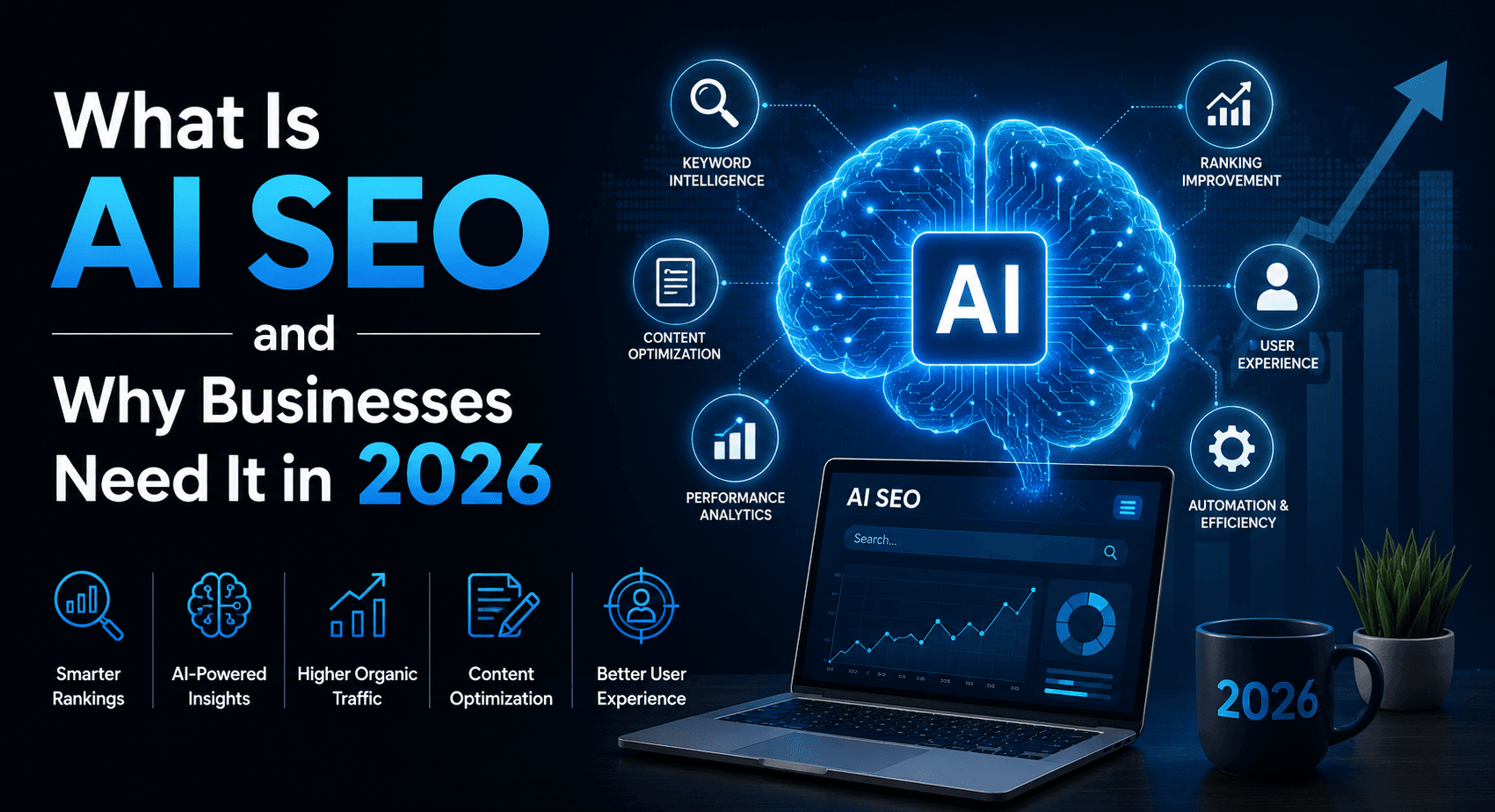
Traditional SEO and AI SEO are not competing philosophies. They are sequential layers of the same discipline — but understanding what each layer is optimising for is critical to deploying your time and resources correctly.
Traditional SEO is fundamentally a signal engineering exercise. You identify what signals Google's algorithm uses to evaluate pages — keyword relevance, domain authority, page speed, backlinks, structured data — and you optimise those signals. The algorithm is a system with inputs and outputs, and traditional SEO is about making sure your inputs score well.
AI SEO is fundamentally a trust and authority exercise. AI search systems are not looking for the page that best matches a keyword pattern. They are looking for the source that most credibly and completely answers a question — the source that a knowledgeable human would cite if they were writing an authoritative answer. The signals they use are more qualitative, more contextual, and significantly harder to fake.
What Specifically Changed in Google Search Between 2024 and 2026
To understand why AI SEO is necessary and not just a marketing concept, it helps to trace the specific changes that happened in the search landscape over the past two years. This is not abstract — these are documented, measurable shifts that have changed traffic patterns for businesses around the world.
Google completed the full integration of its Helpful Content System into its core ranking algorithm. Content written primarily to rank rather than to genuinely help users began to lose visibility systematically. Sites that had built traffic through keyword-dense, generic content saw significant ranking drops. The signal was clear — Google's systems had become capable of distinguishing between content written for people and content written for algorithms, and they were rewarding the former.
Google rolled out AI Overviews globally, placing AI-synthesised answers at the top of results for a growing percentage of informational queries. For the first time, the organic search results — including all the carefully optimised page-one rankings businesses had worked to achieve — appeared beneath a generated answer that many users never scrolled past. Zero-click searches, already a trend, accelerated significantly. The businesses cited as sources in AI Overviews received high-trust traffic. Everyone else received less of everything.
Perplexity, ChatGPT Search, and Bing Copilot collectively exceeded 400 million monthly active users by late 2024. A meaningful and growing segment of search behaviour — particularly among younger, more tech-literate users — had shifted away from traditional Google search entirely. These AI-native tools operate on different optimisation logic than Google, prioritising sources that appear in training data, are cited frequently in authoritative contexts, and are structured for machine comprehension.
Google's documentation and ranking behaviour in 2025 made clear that Experience, Expertise, Authoritativeness, and Trustworthiness had moved from quality evaluator guidelines to active ranking signals. Content without visible author credentials, published on sites without established topical authority, in categories where accuracy matters — YMYL topics in particular — began to rank measurably worse. The days of anonymous content performing at the same level as credentialed, first-hand expert content were over.
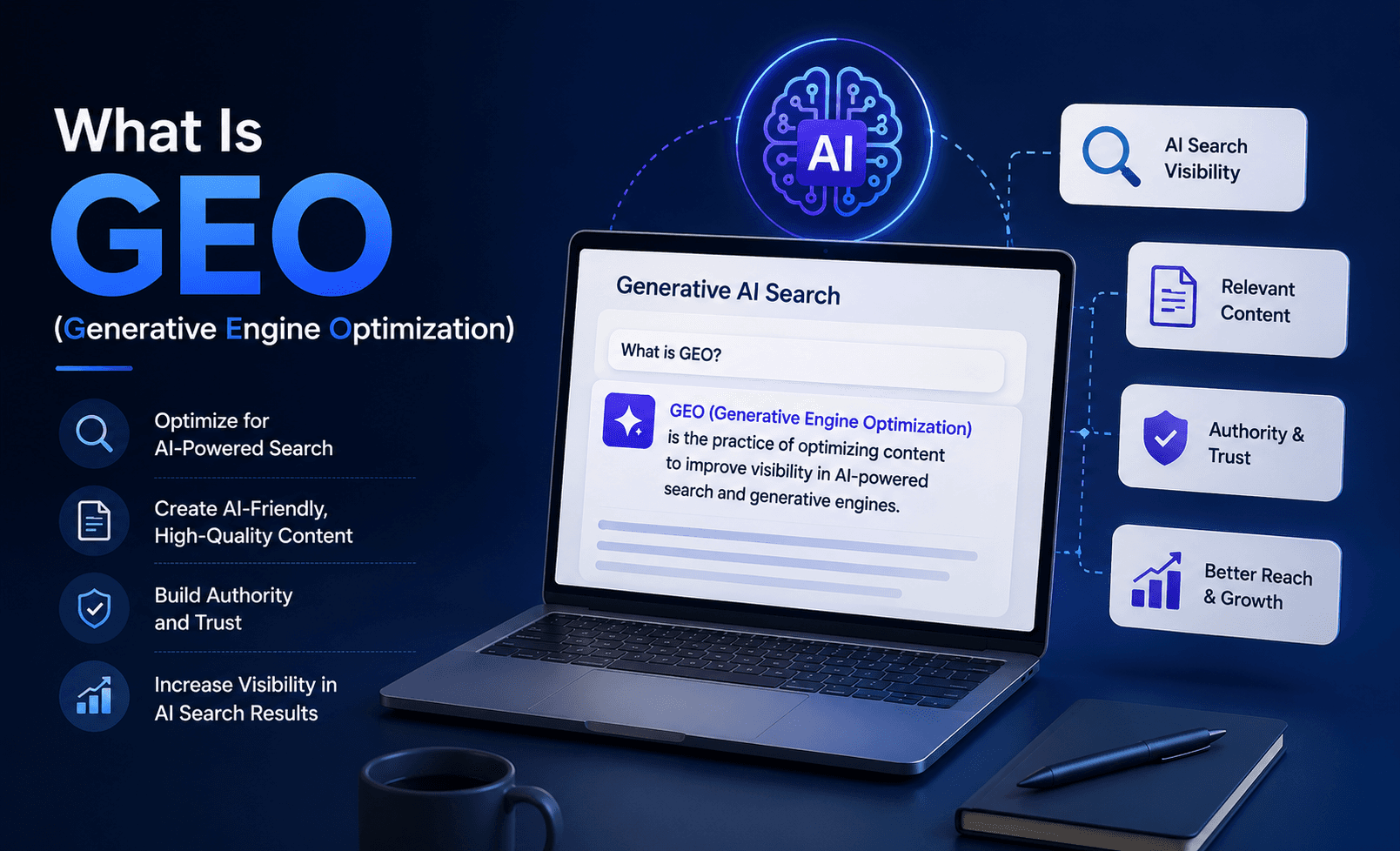
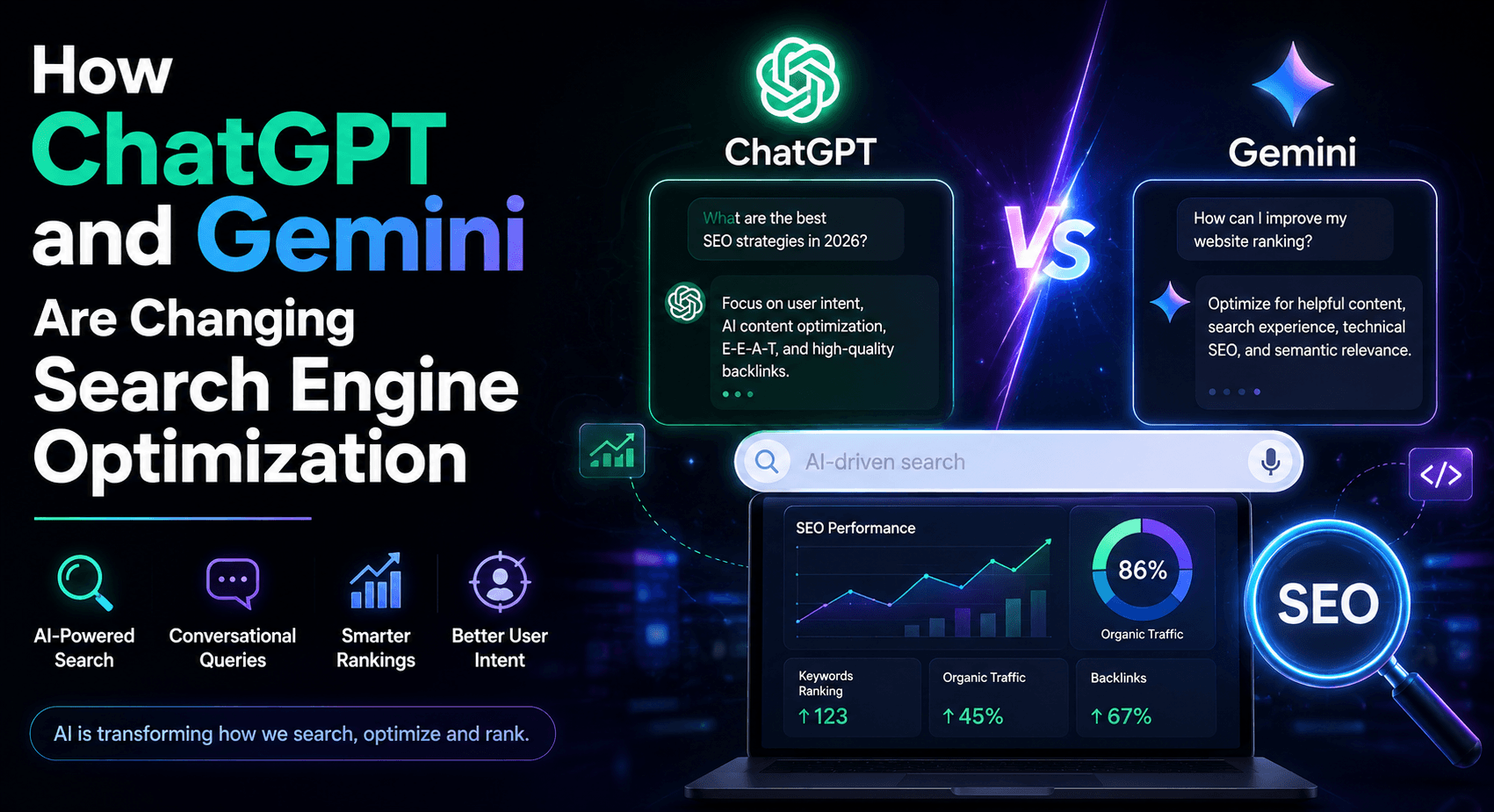
By 2026, GEO — Generative Engine Optimisation — had emerged as a distinct practice alongside traditional SEO, focused specifically on building visibility within AI-native search tools. Businesses with a deliberate GEO strategy were appearing in ChatGPT answers, Perplexity citations, and Gemini responses for queries in their domain. Those without were invisible on an increasingly significant share of the search landscape.
The businesses that invested in topical authority and E-E-A-T signals between 2024 and 2026 are now being cited in AI Overviews their competitors cannot buy their way into. That is compounding organic authority — and it is exactly what traditional keyword optimisation was never able to produce reliably.
The New Ranking Signals That Traditional SEO Did Not Prioritise
Understanding what AI SEO optimises for — and why these signals are difficult to manufacture — is the key to building a strategy that produces durable results rather than short-term gains.
What Traditional SEO Still Gets Right — and Why You Should Not Abandon It
This is an important point that gets lost in conversations about AI SEO: traditional SEO fundamentals are not obsolete. They are the foundation on which AI SEO builds. Abandoning technical SEO, internal linking, or backlink strategy in favour of content restructuring alone will not produce good results. Both layers are necessary.
Technical SEO — clean crawlability, fast page speeds, mobile optimisation, proper canonical tags, XML sitemaps — remains essential because AI search systems cannot evaluate content they cannot access and index. If your technical foundation is broken, no amount of E-E-A-T optimisation will compensate for the fact that your pages are not being properly crawled.
Quality backlinks still matter because they are a proxy for real-world trust and authority — something AI systems weight heavily. The difference is that in 2026, a handful of citations from genuinely authoritative, relevant sources outperforms hundreds of links from low-quality directories. The signal quality matters far more than the signal volume.
| SEO Element | Traditional SEO Role | AI SEO Role | Priority in 2026 |
|---|---|---|---|
| Keyword Research | Target exact-match terms | Map search intent and question clusters | Evolved |
| Technical SEO | Core crawlability and indexing | Foundation — unchanged but non-negotiable | Essential |
| Backlink Building | Volume of links = authority | Quality citations from relevant authorities | Evolved |
| Content Length | Longer content ranks better | Depth of insight over word count | Evolved |
| Author Attribution | Rarely a factor | Active E-E-A-T signal — credentials required | New Priority |
| Schema Markup | Nice-to-have for rich snippets | Critical for AI system legibility | New Priority |
| Topical Authority | Domain authority (general) | Subject-specific depth and cluster coverage | New Priority |
| GEO Optimisation | Did not exist | Visibility in ChatGPT, Perplexity, Gemini | Emerging |
| Brand Entity SEO | Minimal strategic focus | Knowledge graph consistency and trust signals | Evolved |
Many businesses have responded to increased content demands by scaling AI-generated articles. This is a dangerous short-term play. Google's systems have become increasingly capable of identifying content that lacks genuine first-hand experience and insight — and the Helpful Content System specifically targets content that exists to fill search results rather than to genuinely help people. Sites that built significant traffic on AI-generated content through 2023 and 2024 have seen measurable ranking declines as these systems have matured. Use AI as a writing assistant, not as a substitute for genuine expertise.
Building Your Transition Strategy — From Traditional to AI SEO
The practical question most businesses face is not whether to adopt AI SEO — the case for doing so is clear — but how to transition without abandoning the traditional SEO investments that are still producing value. The answer is sequenced integration, not wholesale replacement.
Start with your highest-traffic existing content. Identify the pages already generating organic visits and audit them for AI SEO readiness. Do they have named authors with visible credentials? Are they structured around clear questions with direct answers? Do they include FAQ schema? Upgrading these pages produces the fastest gains because they already have authority signals — they just need the AI-readability layer added.
Choose one topical domain to build authority in. Rather than trying to cover everything, pick the subject area where your business has the deepest genuine expertise and build a comprehensive content cluster around it. Cover every question, every subtopic, every related concept within that domain. This signals topical authority to AI systems far more powerfully than a broad but shallow content library.
Establish your author entities. Create proper author profile pages for everyone producing content on your site. Link them consistently from every article. Ensure their credentials, experience, and notable work are clearly visible. This is one of the highest-impact and lowest-cost changes most businesses can make immediately.
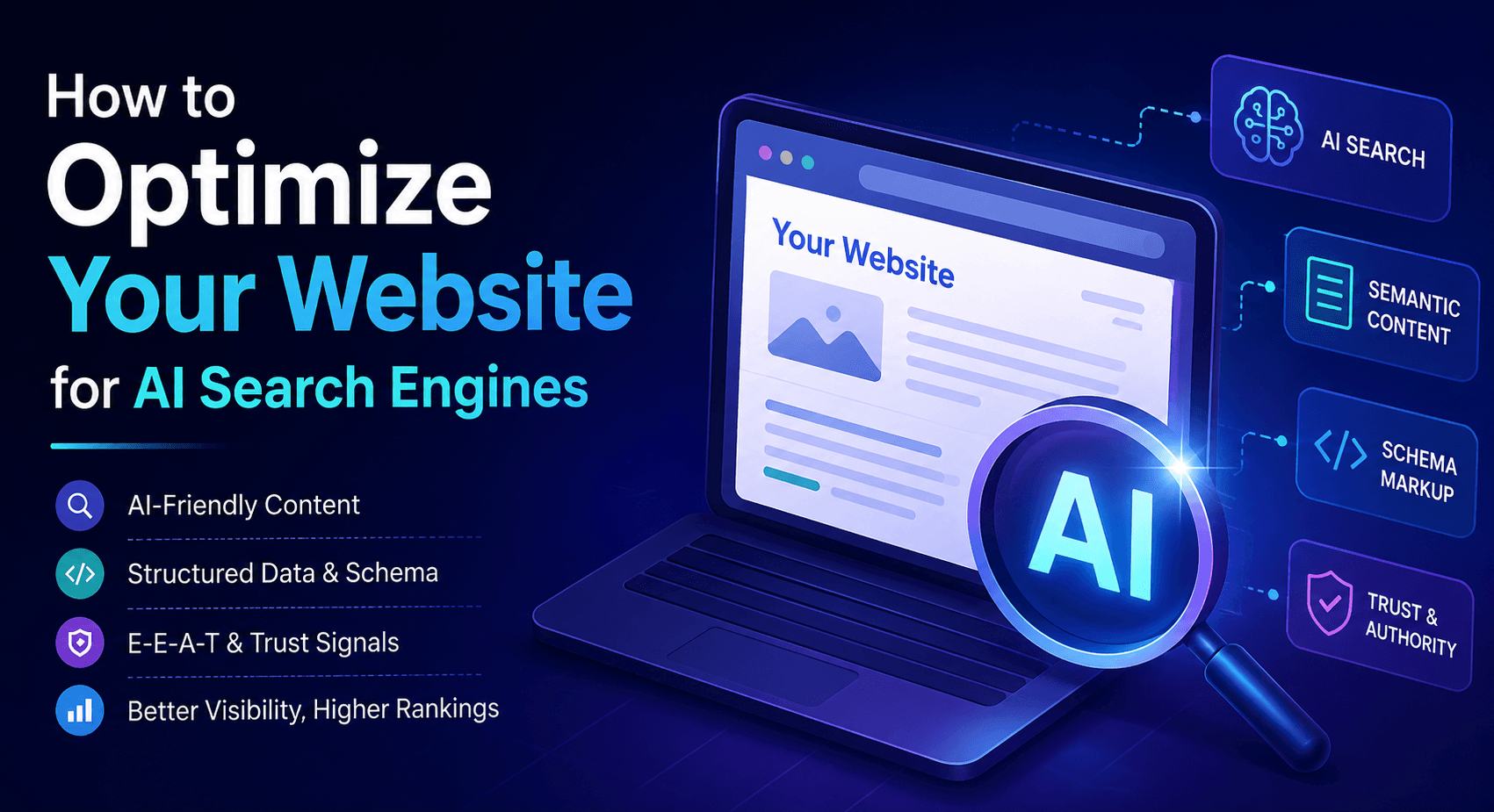
Implement comprehensive schema markup. If your site does not have Article schema with author attribution, FAQ schema on question-structured content, and Organisation schema on key pages — this should be a technical priority. It is the clearest direct signal you can send to AI systems about what your content contains and who produces it.
The gap between businesses operating on traditional SEO assumptions and those actively building AI search authority is already measurable in traffic, in brand visibility, and in the quality of inbound leads. That gap will not close by waiting — it will compound, in both directions, for years.
The businesses that treated 2020 as the year to get serious about SEO are still benefiting from that decision today. The businesses that treat 2026 as the year to get serious about AI SEO will say the same thing in 2030. The window for first-mover advantage in AI search visibility is real — and it is open right now.
From AI SEO strategy and topical authority architecture to technical schema implementation, E-E-A-T optimisation, and GEO strategy for ChatGPT, Perplexity, and Gemini — we help businesses build the organic search presence that AI systems trust, cite, and recommend.