What Is AI SEO and Why Businesses Need It in 2026
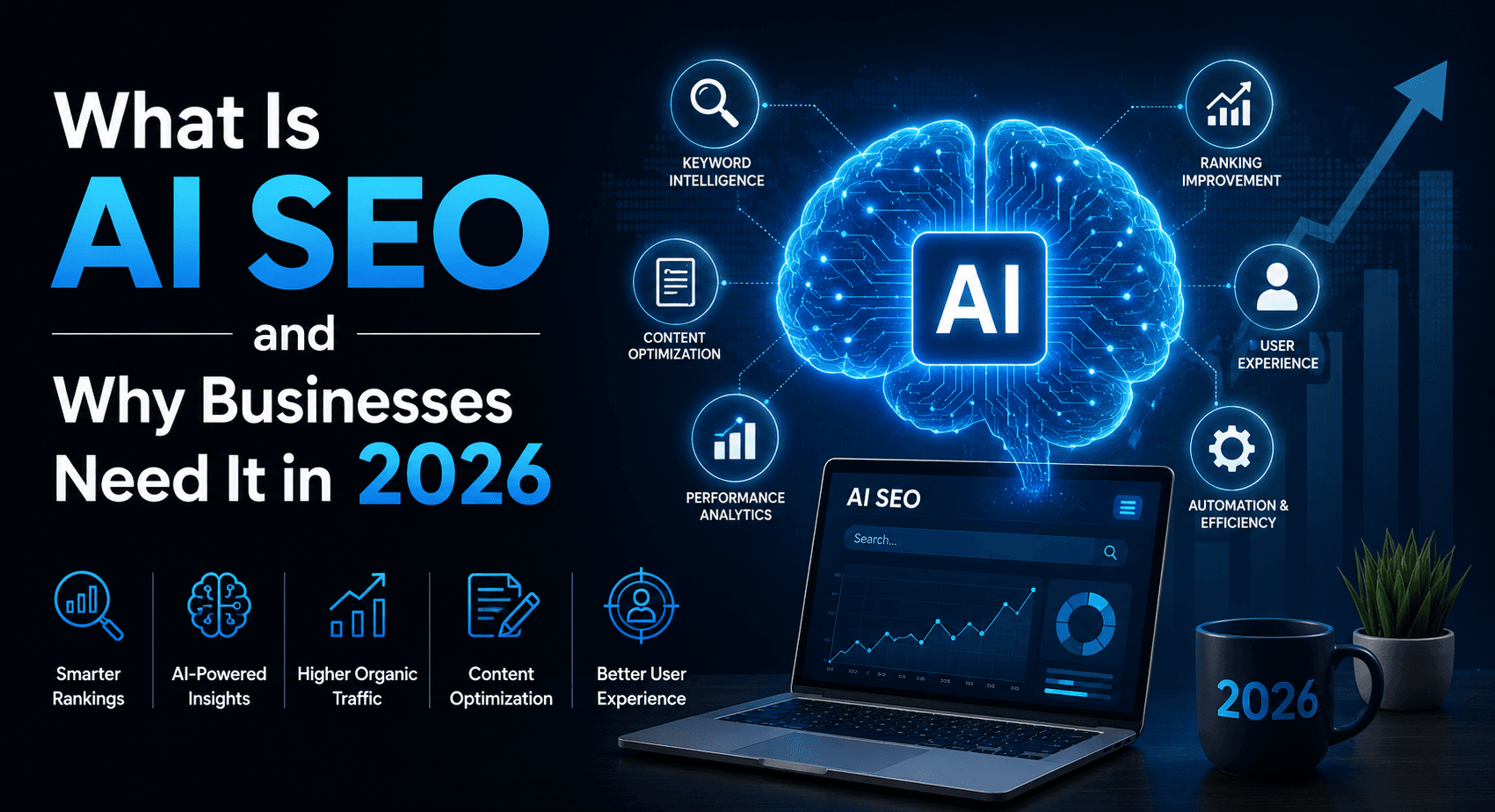
Search isn't returning ten blue links anymore. It is synthesising an answer — and the businesses whose content gets cited are winning in ways that keyword rankings alone never predicted.
We are at the most significant turning point in search engine history since Google first launched PageRank. The businesses that understand what AI SEO actually is — and act on that understanding now — will build organic visibility advantages that compound for years. The ones that don't will watch their traffic decline while spending more on ads to compensate.
I worked with a Dhaka-based legal services firm earlier this year that had invested consistently in traditional SEO for three years. Good keyword strategy, solid backlinks, technically clean website. By early 2025 they ranked on page one for six of their target keywords. By Q1 2026, traffic from those same keywords had dropped 34% — not because their rankings changed, but because Google's AI Overview was now answering those queries directly at the top of the page, and most users never scrolled to the organic results beneath it.
That experience is not unusual anymore. It is the new normal. And it is precisely why understanding AI SEO — what it is, how it works, and how to optimise for it — has become one of the most business-critical skills for any organisation that relies on organic search for growth.
What AI SEO Actually Is
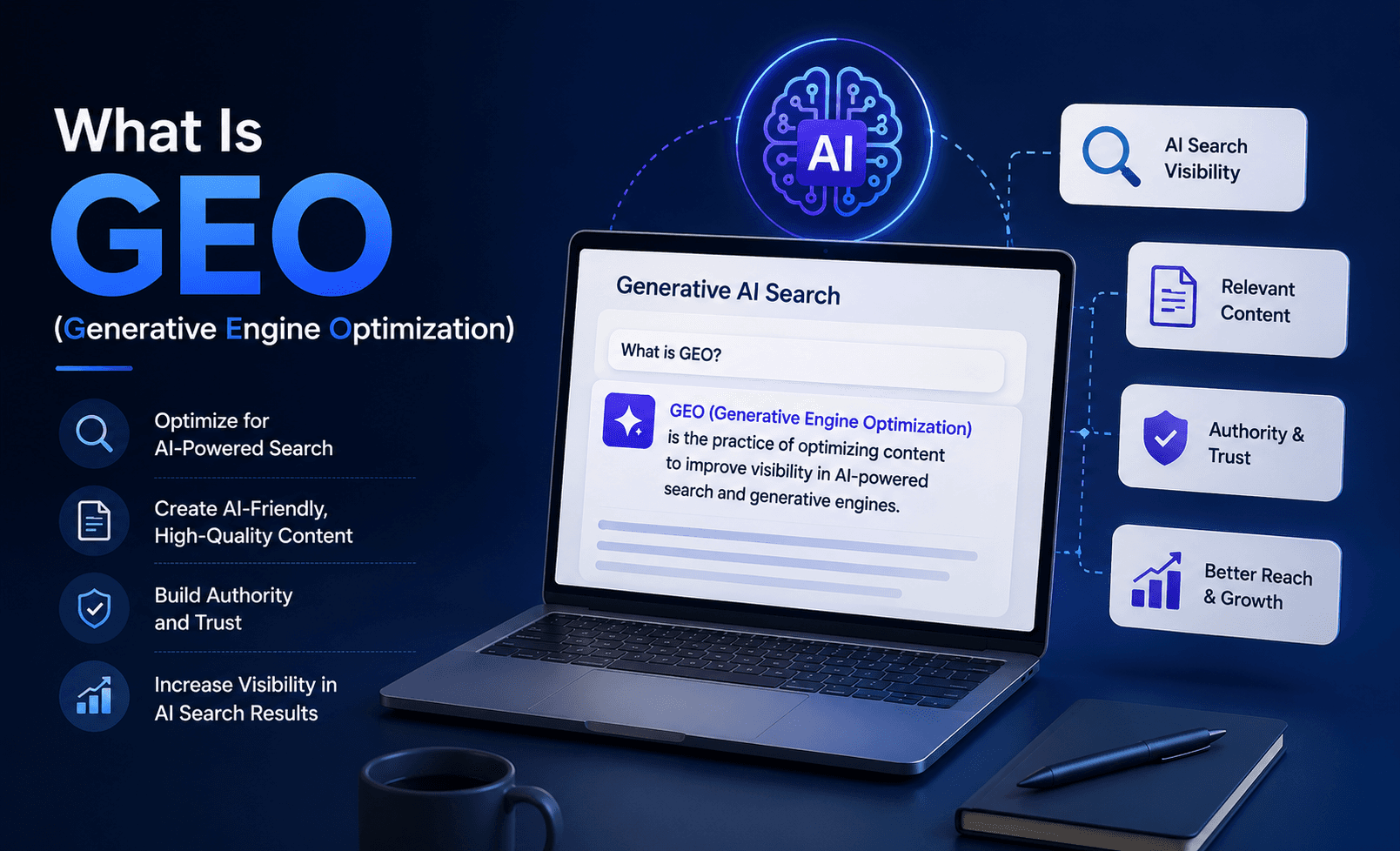
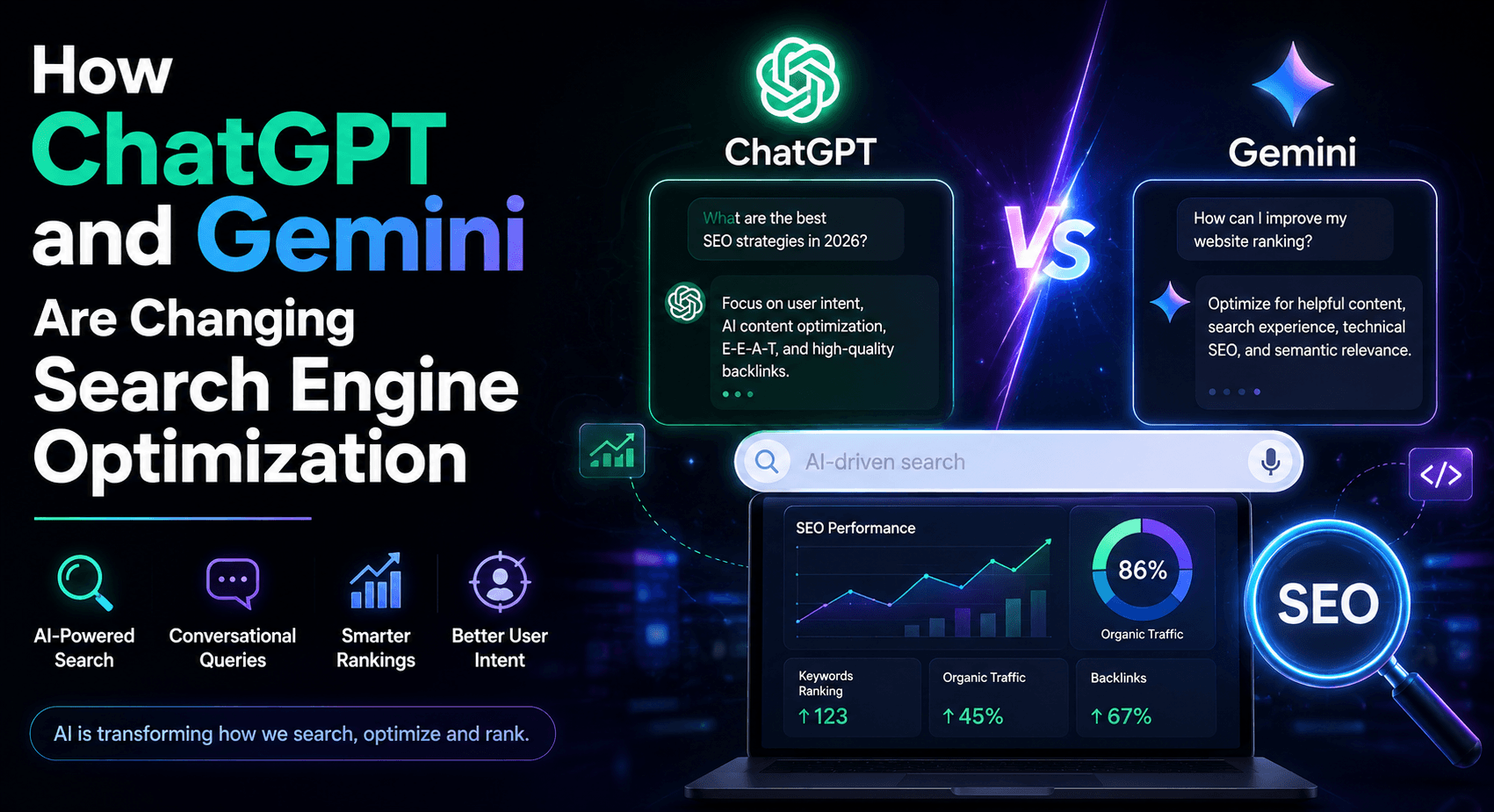
AI SEO is the practice of optimising content, website architecture, and brand presence to be understood, trusted, and cited by AI-powered search systems — including Google's AI Overviews, Bing Copilot, Perplexity, ChatGPT search, and other generative AI tools that increasingly serve as the first point of answer for user queries. It builds on traditional SEO fundamentals while adding a layer of optimisation specifically aimed at making content legible, authoritative, and citable to large language models.
The critical distinction is this: traditional SEO asked "how do I rank on page one?" AI SEO asks "how do I become the source that the AI cites when someone asks a question in my domain?" These are related but meaningfully different goals — and pursuing the second one requires a different approach to content, authority, and structure.
AI search engines are not matching keywords to pages. They are synthesising answers from multiple trusted sources and presenting those answers directly to the user. Your content either makes it into that synthesis as a cited source — which drives high-intent traffic — or it doesn't appear at all, regardless of where it ranks in the traditional blue-link results.
How AI Search Has Changed the Rules of Visibility
Google's core ranking systems have been incorporating large language models since the BERT update in 2019. But the shift from LLM-influenced ranking to LLM-generated answers at the top of the results page is a qualitatively different change. It means the battle for visibility has moved upstream — before the click, before the ranking, to the question of whether your content is the kind of content that an AI would trust enough to cite.
Three specific changes define the new landscape in 2026. First, zero-click searches have become the majority — users get their answer in the AI Overview and never visit a website at all. Second, the sources that AI cites receive disproportionately high-trust traffic — users who click through from an AI citation already trust the source before they arrive, which drives higher engagement and conversion. Third, content quality signals have changed fundamentally — AI ranking systems reward genuine first-hand expertise and penalise content that exists only to target a keyword.
In 2026, the goal of SEO is not to rank for a keyword. It is to become the authoritative source that AI systems reach for when someone asks a question your business is qualified to answer.// QoraxAI Research · AI Search Landscape 2026
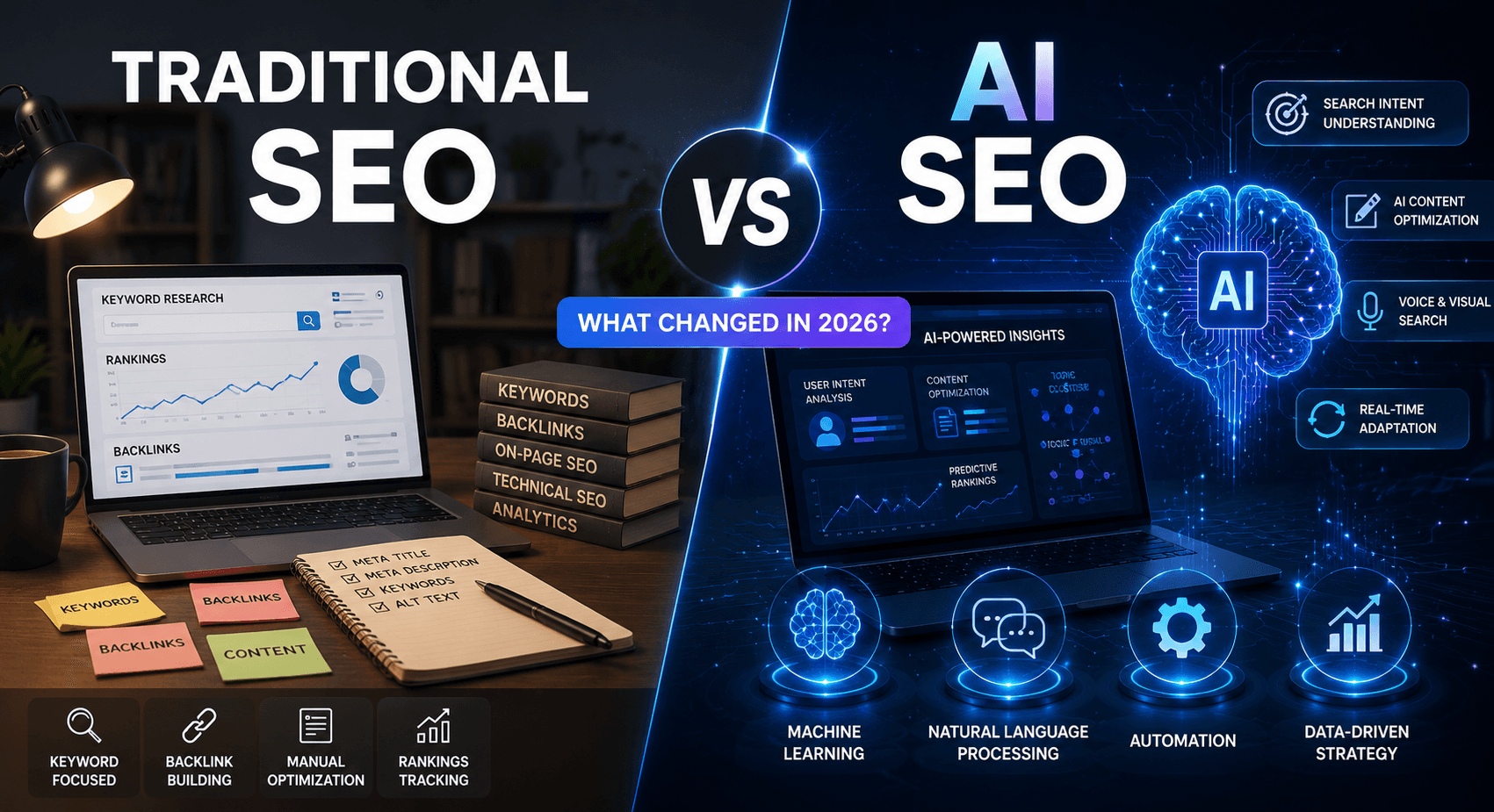
Traditional SEO vs AI SEO — What Has Changed and What Has Not
Many businesses are asking whether they should abandon their existing SEO efforts in favour of AI SEO. The answer is no — but the balance and focus need to shift significantly. Here is a clear breakdown of where the two approaches diverge and where they overlap:
- Technical site health — crawlability, page speed, mobile optimisation
- Clean URL structure and proper canonical tags
- Quality backlinks from authoritative, relevant sources
- Core Web Vitals and user experience metrics
- Internal linking architecture and topic coverage
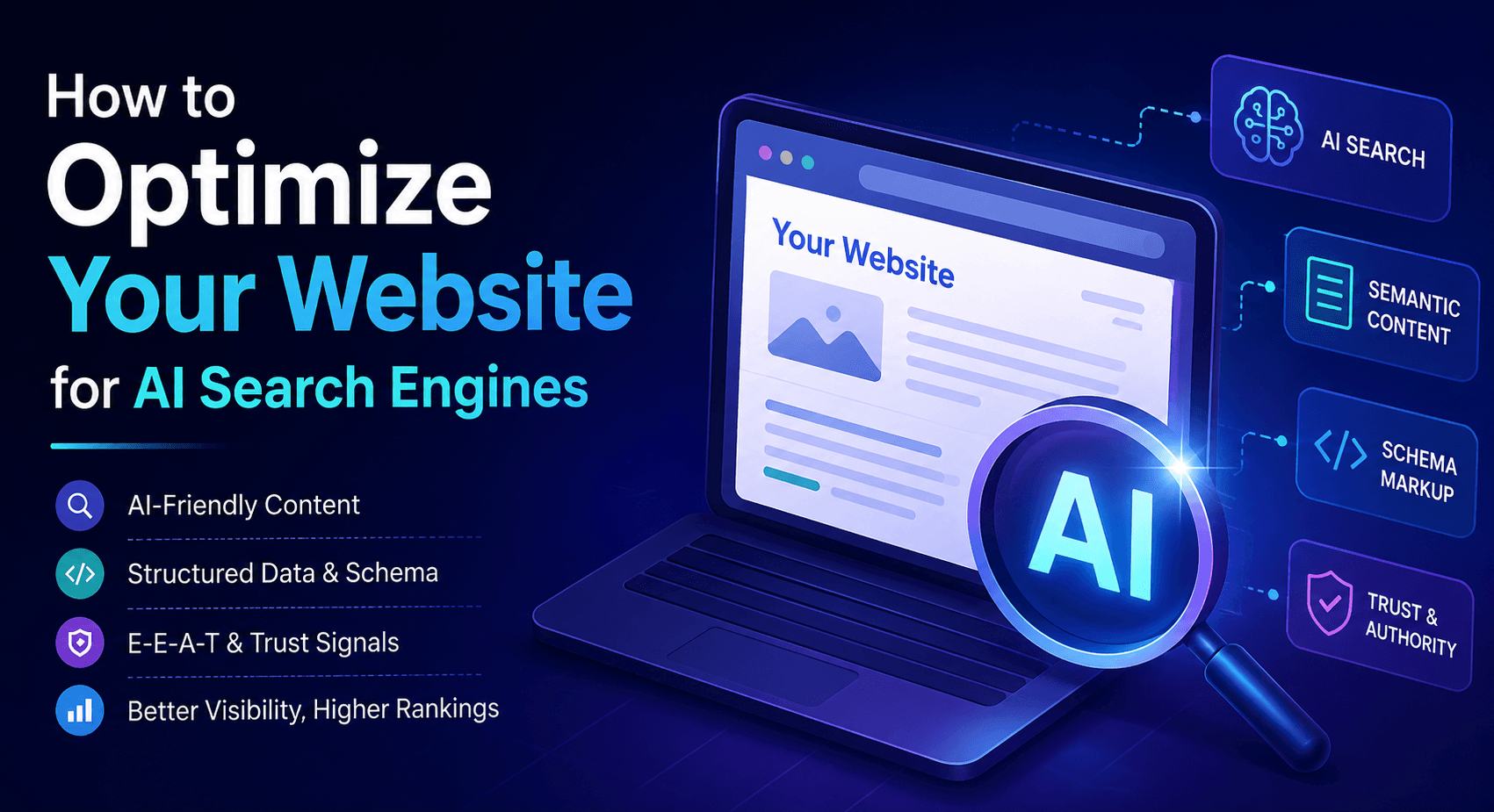
- Structured data markup — Article, FAQ, HowTo schemas
- Regular content updates for time-sensitive topics
- E-E-A-T signals — Experience, Expertise, Authoritativeness, Trust
- Named author profiles with verifiable credentials and real expertise
- Topical authority — comprehensive coverage of a defined subject area
- Direct question-and-answer content structures within pages
- First-hand experience demonstrated through specific examples and results
- Brand entity optimisation — consistent mentions across authoritative sources
- GEO — Generative Engine Optimisation for AI-native search tools
The Six Pillars of an Effective AI SEO Strategy in 2026
Building visibility in AI-powered search requires a deliberate strategy that addresses each of the signals these systems use to evaluate whether your content is worth citing. Here are the six pillars that consistently determine whether a business appears in AI-generated answers or not:
Why Businesses in Bangladesh Need AI SEO Right Now
The temptation for many Bangladeshi businesses is to treat AI SEO as something relevant to tech companies in Silicon Valley — not to manufacturers in Gazipur, service businesses in Dhaka, or eCommerce brands selling across the country. That instinct is understandable but increasingly expensive.
Bangladesh's internet user base exceeded 130 million in 2025, and smartphone-driven search behaviour among Bangladeshi consumers is closely tracking global patterns. Queries for local services, product comparisons, professional services, and business solutions are increasingly triggering AI Overviews even in Bangla and Bengali-English mixed searches. The businesses that appear in those answers will build brand authority at a speed and cost that paid advertising cannot match.
The second reason this is urgent is competitive timing. Most businesses in Bangladesh have not yet adapted their SEO strategy to account for AI search. The businesses that do so now — that build topical authority, optimise their author E-E-A-T, and structure their content for AI citation — will have a significant and compounding head start over competitors who wait another 12 to 18 months to recognise the shift.
In any major platform shift, early movers build authority that becomes progressively harder for late movers to displace. The businesses that established strong traditional SEO foundations in 2018–2020 are still benefiting from that authority today. The businesses that build AI SEO authority in 2025–2026 are likely to hold those positions for years. The window for low-competition AI visibility is real — and it is narrowing as more businesses recognise the opportunity.
Which Business Types Benefit Most from AI SEO
Any business where potential customers search for information before making a purchase or booking decision has a significant AI SEO opportunity. In practice, the highest-ROI use cases in the Bangladesh market right now are:
The Implementation Roadmap — Where to Start
The gap between knowing AI SEO matters and knowing where to actually begin is where most businesses stall. Here is a practical six-step sequence that delivers results without requiring an overnight overhaul of your entire content strategy:
Review your top-performing pages through the lens of AI citation criteria. Does each page have a named author with visible credentials? Is the content structured to answer specific questions directly? Does it demonstrate first-hand experience through real examples and results? Identify your ten highest-traffic pages and upgrade them first — this produces the fastest visibility gains.
Choose one to two topic areas where your business has genuine, deep expertise. Build a content map that covers every question, subtopic, and related concept within those areas comprehensively. Breadth within a defined domain beats isolated excellent articles every time in AI search systems.
Create author pages for every person writing content on your site. Include their professional background, relevant experience, published work, and any certifications or qualifications relevant to the content they produce. Link these profiles consistently from every piece of content they author. This is one of the single highest-impact E-E-A-T signals you can add.
Rewrite or restructure your content so that each section begins with a clear question as the subheading, followed immediately by a concise, direct answer in the first one to two sentences. Additional context and depth follow. This structure dramatically increases the likelihood of being pulled into AI Overviews and featured snippets.
Add Article schema with author and organisation details, FAQ schema to all pages with question-structured content, and Organisation schema to your homepage and about page. Verify implementation with Google's Rich Results Test and monitor performance in Search Console. Schema is one of the clearest signals you can send to AI systems about what your content contains and who produced it.
Pursue mentions, citations, and links from industry publications, local business directories, professional associations, and authoritative third-party platforms. Each mention reinforces your brand entity in the knowledge graphs that AI systems use to determine trustworthiness. This is the AI-era equivalent of link building — and it compounds over time just as links did in traditional SEO.
Measuring AI SEO Performance — New Metrics for a New Reality
Traditional SEO metrics — keyword rankings, organic sessions, bounce rate — remain relevant but no longer tell the complete story. Measuring AI SEO effectiveness requires tracking a broader set of signals.
AI Overview appearance rate — Google Search Console now shows data on how often your pages appear in AI Overviews. This is the most direct measure of AI citation visibility and should be tracked monthly. Brand search volume — as AI search cites your content, brand awareness builds and direct branded searches increase. This is a lagging but reliable indicator of growing AI authority. Engagement quality metrics — users arriving from AI citations typically show higher session depth, longer time on page, and higher conversion rates than average organic traffic. Segmenting this traffic reveals the true value of AI visibility beyond raw session numbers.
The businesses that will look back at 2026 as a turning point in their growth story are the ones making decisions right now — not waiting for the shift to become undeniable before responding to it. AI SEO is not a future consideration. It is the present competitive landscape, and the gap between businesses that understand it and those that do not is already measurable and growing.
The question is not whether AI is changing search. It already has. The question is whether your business is changing with it.
From AI SEO strategy and content architecture to technical schema implementation and GEO optimisation — we help businesses in Bangladesh build the organic authority that AI search systems cite, trust, and recommend.
- AI SEO audit and readiness assessment
- Topical authority architecture and content mapping
- E-E-A-T optimisation and author profile development
- Question-structured content rewriting and creation
- Schema markup — Article, FAQ, Organisation, HowTo
- GEO strategy for ChatGPT, Perplexity, Gemini, Claude
- Brand entity building and third-party citation strategy
- AI Overview tracking and performance reporting